LASIK and iLASIK in Cary, NC
If glasses or contact lenses are part of your daily routine, LASIK may be worth considering as a way to reduce that dependence. At Laser Eye Center of Carolina, our board-certified, fellowship-trained ophthalmologist, Dr. Dean Dornic, evaluates patients for LASIK in Cary, North Carolina and has performed thousands of LASIK procedures. His experience also includes PRK, LASEK, SBK, and lens-based procedures.
What Is LASIK?
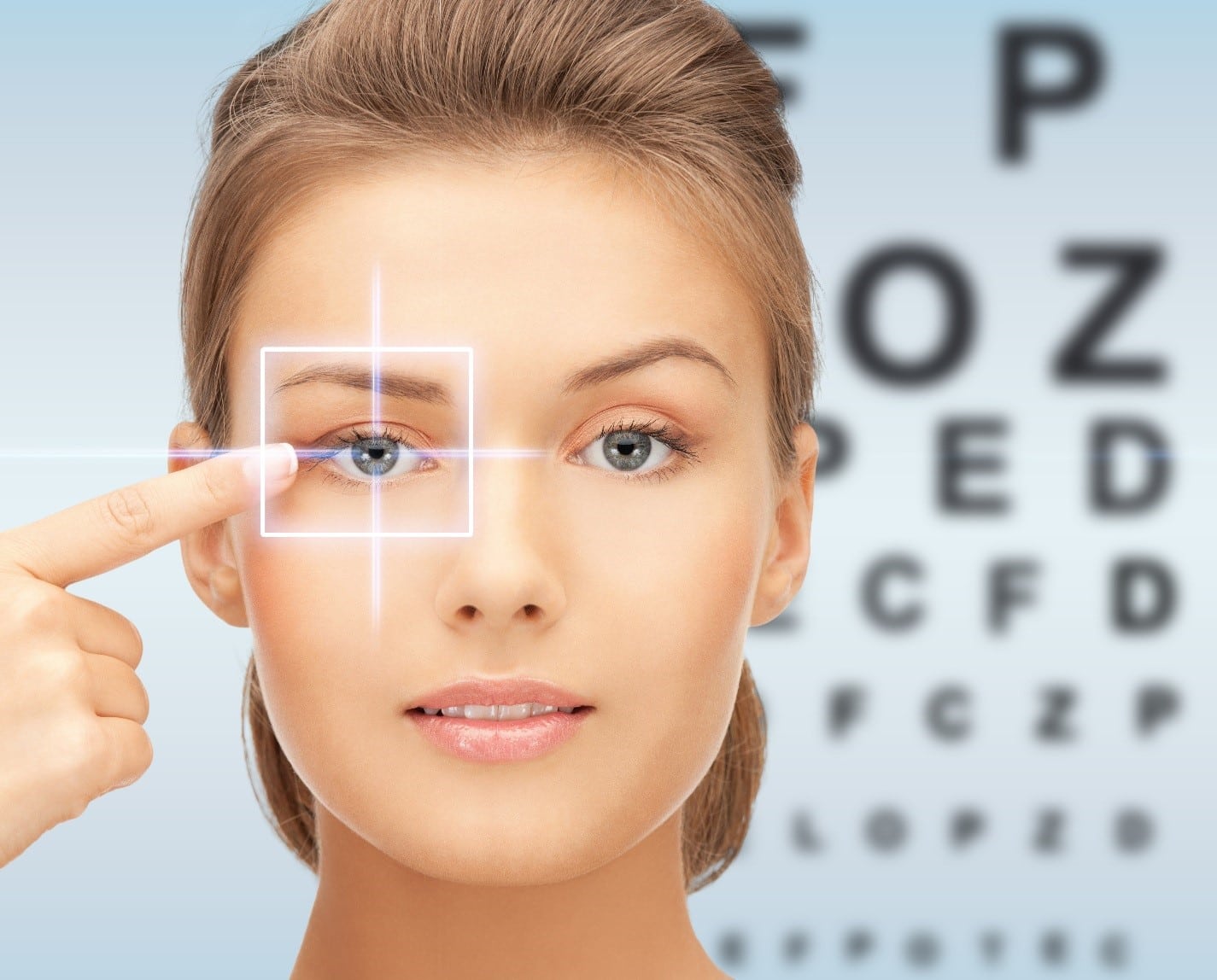
LASIK, or laser-assisted in situ keratomileusis, reshapes the cornea so light can focus more accurately on the retina. It can correct nearsightedness, farsightedness, and astigmatism for suitable candidates.
During treatment, a thin corneal flap is created, the underlying tissue is reshaped with a laser, and the flap is returned to position. iLASIK refers to a customized, all-laser LASIK approach with the same basic goal of improving how light enters the eye.
Who Is a Candidate for LASIK?

A treatable prescription does not automatically mean LASIK is right for you. During a LASIK consultation, we measure your prescription, corneal shape, corneal thickness, eye dryness, and overall eye health.
Significant dry eye, keratoconus, or corneal characteristics that make flap creation less suitable may change the recommendation. If LASIK is not advised, Dr. Dornic may review other choices, including PRK, LASEK, or SBK.
What Happens During LASIK and Recovery?
Numbing drops are used before treatment. After the flap is created, the laser reshapes a precise amount of corneal tissue and the flap is repositioned.
You will need someone to drive you home. Our Preparing for LASIK page covers contact-lens restrictions and practical instructions before treatment, while our LASIK recovery guide explains early healing and follow-up.
Many patients notice visual improvement relatively quickly, but recovery is not identical for everyone. Dr. Dornic sees our LASIK patients the following day, and later visits allow us to monitor healing. LASIK may reduce dependence on glasses or contacts, but it does not stop normal age-related changes such as presbyopia.
Risks and Limitations of LASIK
LASIK carries potential risks, including dry eye, glare, halos, changes in night vision, undercorrection, overcorrection, infection, and flap-related complications. More serious vision problems are possible but uncommon.
Your preoperative examination helps identify factors that may increase risk and gives you a realistic understanding of what LASIK can and cannot do for your eyes.
Why Choose Laser Eye Center of Carolina for LASIK in Cary?
Dr. Dornic is the founder and Medical Director of Laser Eye Center of Carolina. He personally examines and counsels patients before refractive surgery is scheduled. His experience across several forms of vision correction is especially useful when an examination points toward an option other than LASIK.
Frequently Asked Questions About LASIK
Explore LASIK in Cary, North Carolina
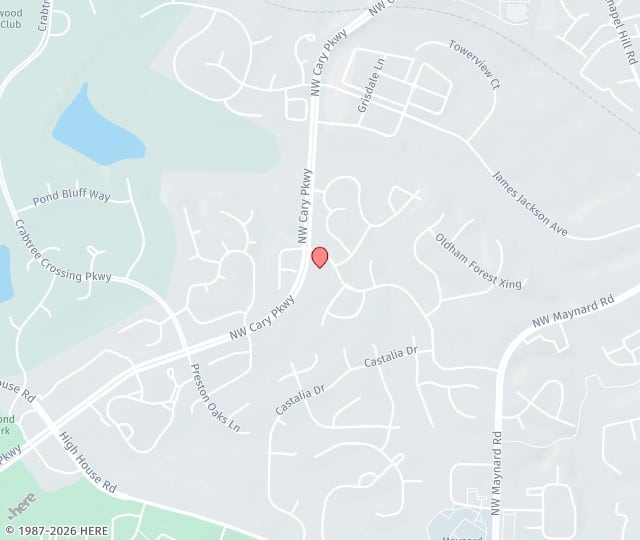
If you are considering laser vision correction, contact us at Laser Eye Center of Carolina or call (919) 467-9955 to arrange a consultation with Dr. Dornic in Cary, North Carolina.