If you’ve been diagnosed with keratoconus, early intervention is critical to preserving your vision. Dr. Dean Dornic, founder and Medical Director of the Laser Eye Center of Carolina, offers advanced treatment options including corneal collagen cross-linking to halt the progression of this degenerative eye condition. With more than 15 years of surgical experience and recognition as one of “America’s Top Ophthalmologists,” Dr. Dornic provides expert care to patients throughout the Raleigh, Cary, and Smithfield areas.
What is Keratoconus?
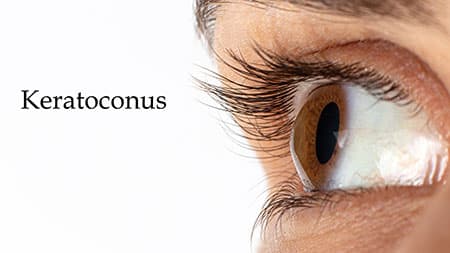
Keratoconus is a degenerative eye disease in which the cornea gradually bulges outward into a cone-like shape. It typically affects people in their teens and early 20s. As the cornea increasingly becomes more conical than round, this change causes significant vision impairment in the form of astigmatism and nearsightedness. The more keratoconus progresses, the more irreversible damage the condition does to the eye, which is why early detection and treatment are essential.
What Causes Keratoconus?
The exact cause of keratoconus isn’t fully understood, but research suggests it results from a combination of genetic and environmental factors. The condition tends to run in families, indicating a hereditary component. Eye rubbing has also been identified as a significant risk factor for accelerating corneal weakening. Other contributing factors may include chronic eye irritation, allergies, and certain connective tissue disorders. Understanding your risk factors helps Dr. Dornic create a personalized monitoring and treatment plan.
Signs and Symptoms of Keratoconus
Early symptoms of keratoconus often include blurred or distorted vision, increased sensitivity to light, and frequent changes in eyeglass prescriptions. As the condition progresses, you may experience difficulty with night vision, see halos around lights, or notice that your contact lenses no longer fit comfortably. Some patients report sudden clouding of vision if the cornea swells. Regular eye exams are crucial for detecting keratoconus in its early stages when treatment is most effective.
Keratoconus Treatment Options
Most patients can have their keratoconus stopped or dramatically slowed by a treatment called corneal collagen cross-linking. This non-invasive procedure involves putting drops of riboflavin (vitamin B) into the eye and then shining a UV light so that the eye develops new collagen fibers that reinforce the existing shape of the cornea. The sooner that Dr. Dornic performs this treatment, the more vision keratoconus patients can retain.
Intacs®, a type of corneal insert that effectively flattens the shape of the cornea, can also reduce myopia to reduce blurry distance vision and improve overall visual clarity.
Why Choose Dr. Dornic for Keratoconus Care
Dr. Dean Dornic brings over 15 years of surgical expertise to every keratoconus case. Named one of “America’s Top Ophthalmologists” by the Consumer’s Research Council of America and recognized by Newsweek as one of “15 Leaders in Laser Eye Surgery,” Dr. Dornic has helped thousands of patients improve and maintain their vision with state-of-the-art treatments like corneal collagen cross-linking. His keratoconus patients are grateful to have such an effective way to maintain a steady vision prescription despite their diagnosis.
When it comes to keratoconus, don’t delay — early treatment makes all the difference. Contact the Laser Eye Center of Carolina today to schedule your consultation. We serve patients at our Cary location at (919) 467-9955 and our Smithfield location at (919) 938-2010.