
Cataracts often develop gradually, so it can be hard to tell when everyday changes have become significant enough to discuss surgery. In Cary, North Carolina, Laser Eye Center of Carolina provides cataract surgery with Dr. Dean Dornic, a board-certified, fellowship-trained vision correction specialist with experience in cataract and intraocular lens procedures.
Notice What Has Become Harder to Do
A cataract forms when the natural lens inside the eye becomes cloudy. As that clouding increases, you may notice blurry or hazy eyesight, glare around lights, colors that seem less vivid, frequent prescription changes, or more difficulty seeing at night.
What matters most is how those changes are affecting your routine. Reading small print, driving after dark, working on a computer, recognizing faces, or handling other familiar tasks may start taking more effort. Our guide to how your eye works explains the role the natural lens plays in clear sight.
Early cataracts do not always require surgery. Updated glasses, brighter lighting, or other practical adjustments may help for a while. If those measures no longer give you the clarity you need for the activities that matter to you, it may be time for a closer look.
Daily Function Helps Guide the Timing
People reach the point of considering cataract surgery at different times. Surgery is generally discussed when cataracts begin interfering with the things you need or want to do safely and comfortably. If one eye is more affected than the other, your symptoms may also feel uneven, which is another reason timing can differ from person to person.
During cataract surgery, the cloudy natural lens is removed and replaced with an artificial intraocular lens, or IOL. The planning process includes choosing a lens based on your prescription, eye health, and visual priorities.
Lens replacement can also be performed for refractive reasons before a cataract is present. Our page on presbyopic lens exchange explains how that differs from cataract treatment, while our broader vision correction procedures page outlines other options available through our office.
An Eye Exam Can Help You Decide
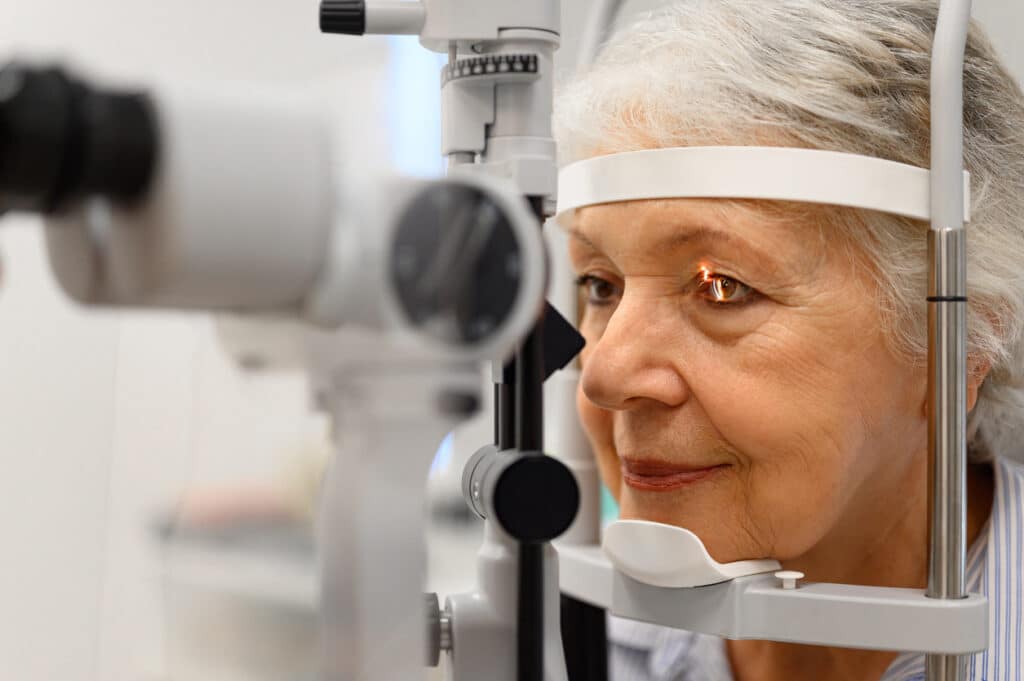
A cataract diagnosis does not automatically mean surgery should happen right away. An examination can show how much the lens has changed and help connect those findings with the problems you are noticing in daily life.
If cataracts are changing what you can comfortably do day to day, call Laser Eye Center of Carolina at 919-467-9955 or contact us to discuss cataract surgery in Cary, North Carolina with Dr. Dornic.