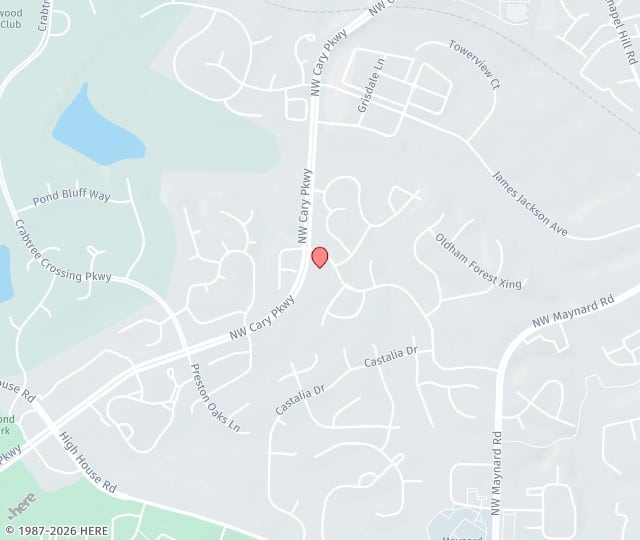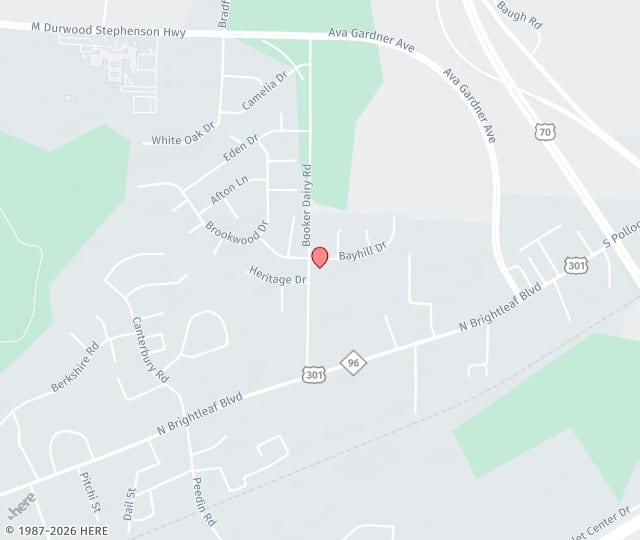
Changes in near vision often become more noticeable with age, especially when reading, using a phone, or working at close range. For adults exploring ways to rely less on reading glasses or bifocals in Cary, North Carolina, Laser Eye Center of Carolina provides several vision correction procedures, including lens-based options. Dr. Dean Dornic is board-certified and fellowship-trained, with experience in intraocular lens surgery as well as laser refractive procedures.
What Is Presbyopic Lens Exchange?
Presbyopia is an age-related change that makes it harder for your eyes to focus on objects up close. The natural lens inside the eye normally changes shape to help you shift between near and distance vision, but it becomes less flexible over time. Our information about vision disorders and how your eye works explains these changes in more detail.
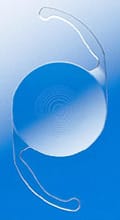
With presbyopic lens exchange, the natural lens is removed and replaced with an artificial intraocular lens, or IOL. Depending on your eyes and the lens selected, surgery may reduce your dependence on glasses or contact lenses for certain distances.

How Is Lens Exchange Different From Cataract Surgery and LASIK?
Presbyopic lens exchange and cataract surgery both replace the natural lens with an IOL. Cataract surgery is performed when the natural lens has become cloudy, while lens exchange can be considered for refractive and age-related focusing concerns before a visually significant cataract develops.
LASIK works differently. Rather than replacing the lens, LASIK reshapes the cornea at the front of the eye. Your age, prescription, eye health, and vision priorities all help determine whether a corneal or lens-based procedure makes more sense.
Who May Consider Presbyopic Lens Exchange?
Lens exchange may be an option if presbyopia is making you increasingly dependent on corrective lenses and you want to explore a surgical alternative. It can also be discussed when laser treatment is not the preferred approach for your eyes.
An eye examination is essential before deciding on surgery. We need to evaluate more than your reading prescription, including the health of your eyes and the type of vision you hope to achieve.

What to Expect From Surgery and Recovery
During lens exchange, the natural lens is removed and an IOL takes its place. You will receive instructions for postoperative eye drops, protecting your eyes, activity restrictions, and follow-up care.
Vision can take time to settle after surgery. The amount of near, intermediate, or distance vision you gain depends in part on your eyes and the IOL selected. Some patients continue to use glasses for certain tasks.
Lens replacement is also intraocular surgery and carries risks. Dr. Dornic will review the potential benefits, limitations, and surgical considerations with you before treatment.
Why Choose Laser Eye Center of Carolina for Presbyopic Lens Exchange in Cary?
Dr. Dornic’s experience extends across intraocular lens surgery, cataract treatment, LASIK, PRK, LASEK, and SBK. Having access to both lens-based and corneal procedures allows us to discuss your vision from a broader perspective rather than starting with the assumption that one type of surgery is right for everyone.
Frequently Asked Questions
Explore Lens-Based Vision Correction in Cary
If presbyopia is making everyday near tasks more difficult, an eye examination can help clarify your choices. Call Laser Eye Center of Carolina at 919-467-9955 or contact us to discuss presbyopic lens exchange in Cary, North Carolina with Dr. Dornic.